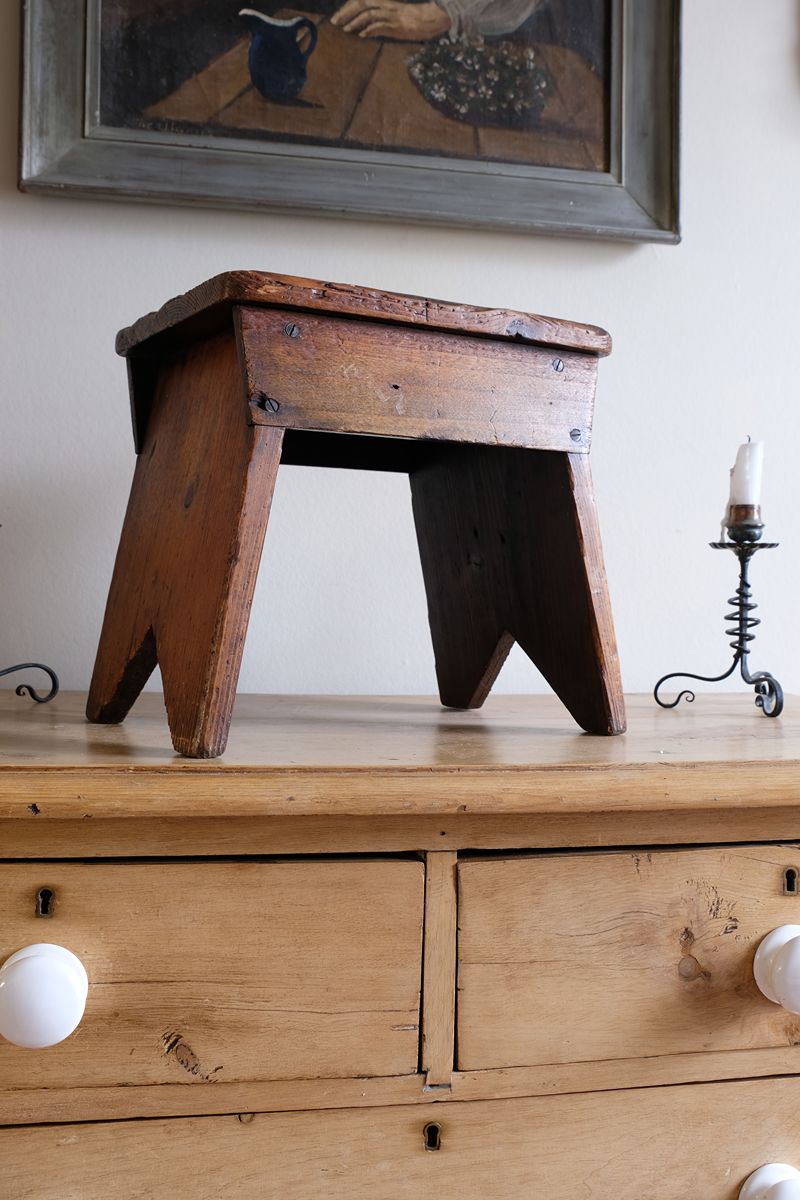
A 19th century vernacular pine stool with a surface shaped by generations of use.
͏ ͏ ͏ ͏ ͏ ͏ ͏ ͏ ͏ ͏ ͏ ͏ ͏ ͏ ͏ ͏ ͏ ͏ ͏ ͏ ͏ ͏ ͏ ͏ ͏ ͏ ͏ ͏ ͏ ͏ ͏ ͏ ͏ ͏ ͏ ͏ ͏ ͏ ͏ ͏ ͏ ͏ ͏ ͏ ͏ ͏ ͏ ͏ ͏ ͏ ͏ ͏ ͏ ͏ ͏ ͏ ͏ ͏ ͏ ͏ ͏ ͏ ͏ ͏ ͏ ͏ ͏ ͏ ͏ ͏ ͏ ͏ ͏ ͏ ͏ ͏ ͏ ͏ ͏ ͏ ͏ ͏ ͏ ͏ ͏ ͏ ͏ ͏ ͏ ͏ ͏ ͏ ͏ ͏ ͏ ͏ ͏ ͏ ͏ ͏ ͏ ͏ ͏ ͏ ͏ ͏ ͏ ͏ ͏ ͏ ͏ ͏ ͏ ͏ ͏ ͏ ͏ ͏ ͏ ͏ ͏ ͏ ͏ ͏ ͏ ͏ ͏ ͏ ͏ ͏ ͏ ͏ ͏ ͏ ͏ ͏ ͏ ͏ ͏ ͏ ͏ ͏ ͏ ͏ ͏ ͏ ͏ ͏ ͏ ͏
A piece that lets the timber do the talking
|
|
|
|
Hello -
Every so often, a modest piece of furniture becomes interesting precisely because so little was done to disguise how it was made. This week's featured arrival is a 19th Century Vernacular Pine Stool with V-Cut Sides & Grab Handle.
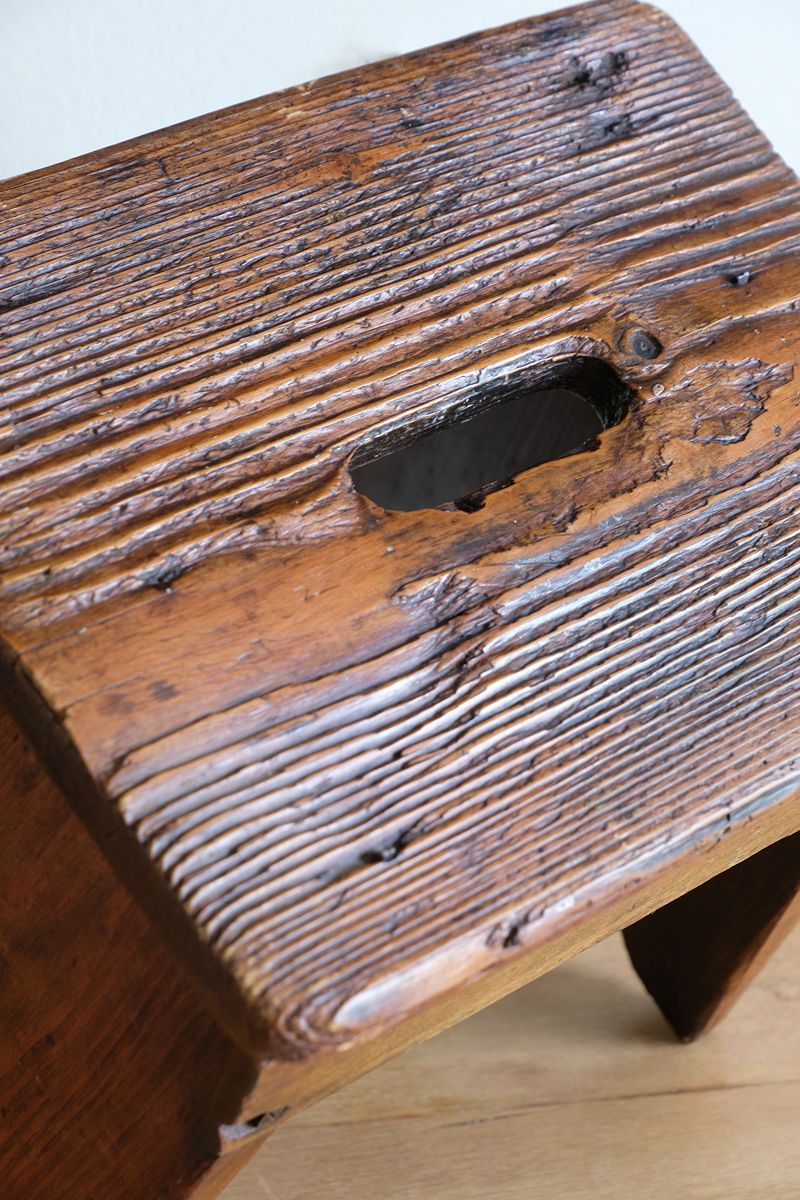
What particularly appealed to me is the relationship between its simple construction and extraordinary surface. Broad splayed pine sides, flat apron boards and old slotted screws reveal an object made principally for use. Above them, the thick seat has been transformed by time, its grain deeply weathered and its central grab handle softened through repeated handling.
Furniture of this kind was never intended to be precious, which makes surviving examples with such an untouched sense of age increasingly rewarding to find.
View the ripples in the wood
|
A wonderfully honest 19th Century Vernacular Pine Stool with V-Cut Sides & Grab Handle, distinguished by its simple slab construction and an exceptionally weathered seat surface shaped by generations of use. The deeply textured pine, worn central grab handle and splayed V-cut sides give this small stool considerable character without relying on applied decoration.
|
|
|
|
| | Antique English Windsor Armchair – 19th Century Elm & Ash Sweptback Stick Back Chair
|
| |
| |
| | | Late Georgian Anglo-Chinese Padauk Chest of Drawers, c.1790–1820
|
| |
| |
|
|
| | Antique Kutch Damchiya Dowry Chest with Mirror Inlay - c.1900–1930
|
| |
| |
| | | Arts & Crafts Mission Style Console Table – Solid Black Limba Wood
|
| |
| |
|
|
| | Late Victorian Mahogany Oval Tilt-Top Tripod Table with Open Reed Column
|
| |
| |
| | | Antique North-West Persian Village Hall Runner | Heriz District, Karaja Tradition, c.1930–1950
|
| |
| |
|
|
|
From the Campbell Vintage Journal
When Use Becomes the Decoration
The history of vernacular furniture is often written into its surface. We take a closer look at how simple construction, weathered pine, softened edges and generations of handling can reveal more about an object than decoration ever could.
Explore The Grain →
|
Sometimes the simplest objects have the most to tell us — particularly when more than a century of use has been allowed to remain visible.
If you'd like to discuss any of the pieces, or need further details on dimensions, condition or delivery, simply reply to this email and I'll be happy to help.
|
© Campbell Vintage
Vintage and antique furniture, objects selected for material integrity, craftsmanship and enduring design.
Campbell Road, Southsea, United Kingdom PO5 1RJ
You’re receiving this email because you subscribed to our journal or have previously engaged with our collection of vintage and antique furniture, lighting and decorative objects.
Edit preferences | Unsubscribe
|
|
|
|
|
|
|
|