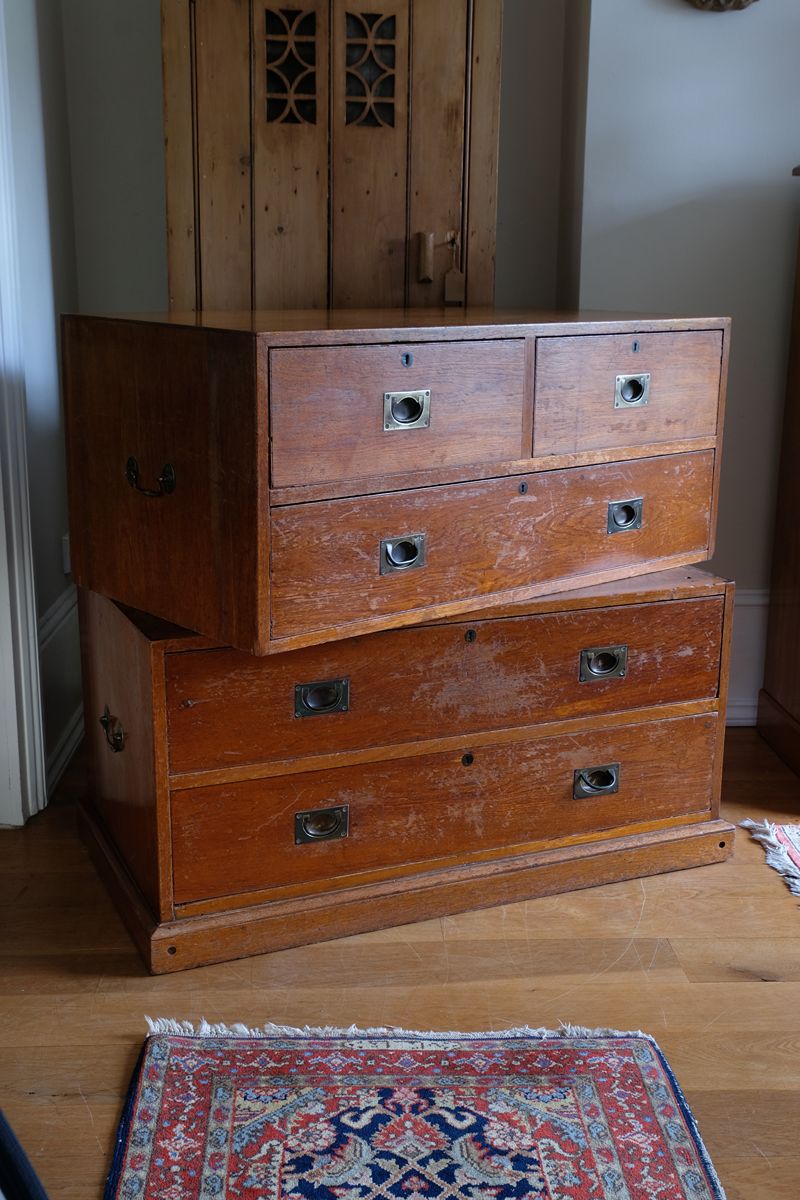
A c.1850 camphor wood campaign chest revealing its construction in plain sight. ͏ ͏ ͏ ͏ ͏ ͏ ͏ ͏ ͏ ͏ ͏ ͏ ͏ ͏ ͏ ͏ ͏ ͏ ͏ ͏ ͏ ͏ ͏ ͏ ͏ ͏ ͏ ͏ ͏ ͏ ͏ ͏ ͏ ͏ ͏ ͏ ͏ ͏ ͏ ͏ ͏ ͏ ͏ ͏
͏ ͏ ͏ ͏ ͏ ͏ ͏ ͏ ͏ ͏ ͏ ͏ ͏ ͏ ͏ ͏ ͏ ͏ ͏ ͏ ͏ ͏ ͏ ͏ ͏ ͏ ͏ ͏ ͏ ͏ ͏ ͏ ͏ ͏ ͏ ͏ ͏ ͏ ͏ ͏ ͏ ͏ ͏ ͏ ͏ ͏ ͏ ͏ ͏ ͏ ͏ ͏ ͏ ͏ ͏ ͏ ͏ ͏ ͏ ͏ ͏ ͏ ͏ ͏ ͏ ͏ ͏ ͏ ͏ ͏ ͏
͏ ͏ ͏ ͏ ͏ ͏ ͏ ͏ ͏ ͏ ͏ ͏ ͏ ͏ ͏ ͏ ͏ ͏ ͏ ͏ ͏ ͏ ͏ ͏ ͏ ͏ ͏ ͏ ͏ ͏ ͏ ͏ ͏ ͏ ͏
175 Years Held Together by Joinery
|
|
|
|
Introduction
Some furniture hides its construction. This Mid-19th Century Camphor Wood Two-Part Campaign Chest, c.1850 does quite the opposite.
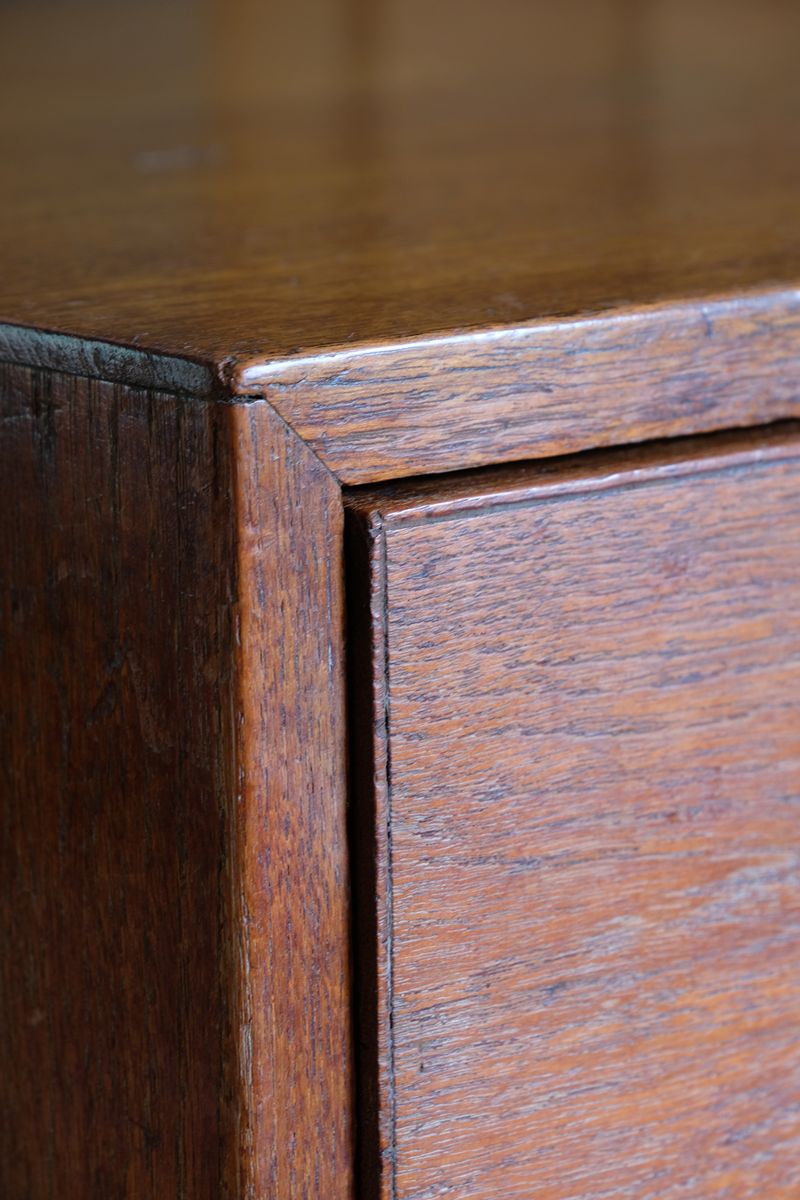
Look at the ends and the substantial external carcass dovetails are there in plain sight. They were part of a practical solution: a chest constructed in two portable sections and expected to withstand movement, handling and repeated use. Around 175 years later, those joints are still maintaining the integrity of the cabinet.
It is the kind of detail I find particularly revealing. Add the reinforced drawer bottoms, framed backs, recessed brass fittings and richly worn camphor wood, and the chest begins to tell its story through the way it was made.
Explore the Construction →
|
A substantial mid-19th century camphor wood campaign chest, constructed in two portable sections with five drawers, recessed brass handles and remarkable surviving surface character. Its hand-worked construction, original aromatic timber and period Liverpool-stamped lock provide a fascinating connection to nineteenth-century travelling furniture.
|
|
|
|
| | Late Georgian Anglo-Chinese Padauk Chest of Drawers, c.1790–1820
|
| |
| |
| | | Antique English Windsor Armchair – 19th Century Elm & Ash Sweptback Stick Back Chair
|
| |
| |
|
|
| | Late Victorian Mahogany Oval Tilt-Top Tripod Table with Open Reed Column
|
| |
| |
| | | Antique North-West Persian Village Hall Runner | Heriz District, Karaja Tradition, c.1930–1950
|
| |
| |
|
|
| | Arts & Crafts Mission Style Console Table – Solid Black Limba Wood
|
| |
| |
| | | Mid-19th Century Giltwood Pier & Overmantel Mirror by John Westley
|
| |
| |
|
|
|
Journal Feature
Why Was Campaign Furniture Built to Travel? The History of Portable Cabinetmaking
From two-part construction and reinforced drawers to recessed hardware and substantial joinery, discover how nineteenth-century cabinetmakers built furniture to survive a life in movement.
Continue Exploring →
|
Made in two. Built as one.
Sometimes the best evidence of good cabinetmaking is simply that, 175 years later, the joints are still doing their job.
If you would like further photographs of the dovetails, drawer construction, interior or surviving fittings, simply reply to this email and I’ll be happy to help.
|
© Campbell Vintage
Vintage and antique furniture, objects selected for material integrity, craftsmanship and enduring design.
Campbell Road, Southsea, United Kingdom PO5 1RJ
You’re receiving this email because you subscribed to our journal or have previously engaged with our collection of vintage and antique furniture, lighting and decorative objects.
Edit preferences | Unsubscribe
|
|
|
|
|
|
|
|